How UK Players Can Spot Trustworthy Online Casinos in 2026: A Guide to Licensing, Responsible Gambling, and Secure Payment Options Like Tether Casinos
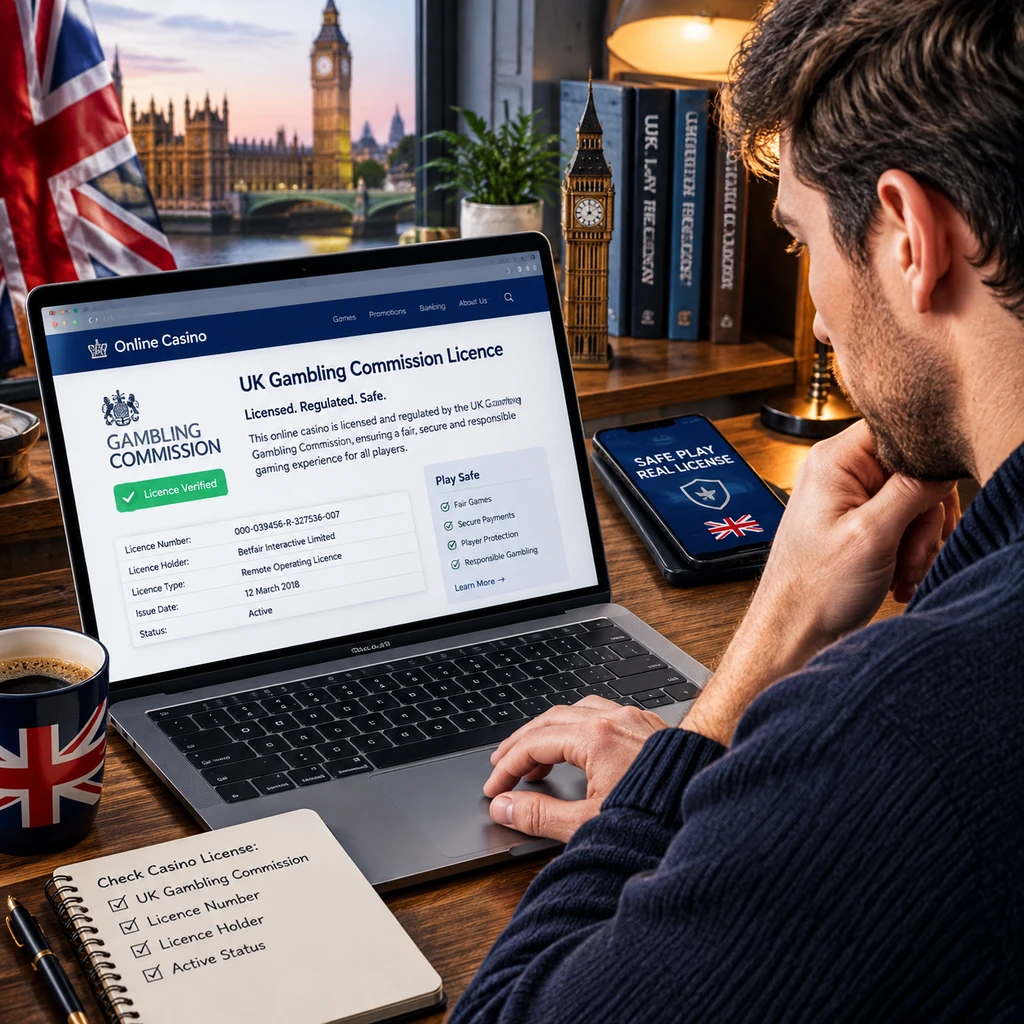
I've spent a fair chunk of the past couple of years digging into how the UK online casino scene has shifted, and 2026 genuinely feels like a tipping point. The market's grown fast — new operators pop up weekly, payment tech has moved on in ways nobody really predicted, and offshore sites have gotten disturbingly good at copying the look of regulated UK brands. Great for choice. Not so great for figuring out who's actually legit. A slick homepage and a juicy welcome bonus aren't proof of anything anymore.
So in this guide, I'm walking through the stuff I personally check before I trust any site with my money. Licensing, the responsible gambling tools that should be non-negotiable, and the payment landscape — crypto options like Tether included — so you're working from actual evidence instead of a gut feeling.
The Core Markers of a Trustworthy Online Casino
Trustworthy doesn't mean 'popular' or 'flashy,' not in any practical sense. It means transparency, verifiable licensing, independently tested games, and withdrawal policies that don't quietly change the moment you try to cash out. A legitimate casino has nothing to hide — terms written in plain language, RNG certification published somewhere you can find it, and a payout history that's consistent rather than suspiciously selective.
Transparency in Terms and Payouts
One thing I always check first: how clearly a site discloses wagering requirements, withdrawal caps, and processing fees before I've even registered. Reputable operators lay this out upfront. No vague phrasing, no clauses buried on page 32 of a 40-page terms document that's clearly designed to be skipped. If a casino makes you dig for withdrawal limits, or hides fees until after you've deposited — that's a red flag worth taking seriously.
UK Gambling Commission Licensing Explained
For UK players, a UK Gambling Commission (UKGC) license is the baseline. Not a bonus feature, not a nice-to-have. It requires operators to keep player funds segregated from company operating capital, run proper age verification, and provide access to independent dispute resolution if something goes sideways. Compare that to offshore licenses out of places like Curaçao or Malta — some are reasonably well-regulated, sure, but others offer far thinner protection and much weaker enforcement when disputes actually arise.
That's not to say every non-UKGC site is a scam. It isn't. But if you're playing on an offshore license, go in with your eyes open about the reduced legal recourse you'll have.
How to Verify a Casino's License in Seconds
This takes less time than most people think. Here's what I actually do:
- Scroll to the site footer and find the license number
- Cross-check that number on the UKGC's public register
- Confirm the operator name matches exactly — scammers sometimes reuse real license numbers under a different brand
- Be wary of license 'badges' that aren't clickable or don't link back to an official register
If the number doesn't match, or simply doesn't exist on the register — close the tab. Move on.
Responsible Gambling Features Every Safe Casino Should Offer
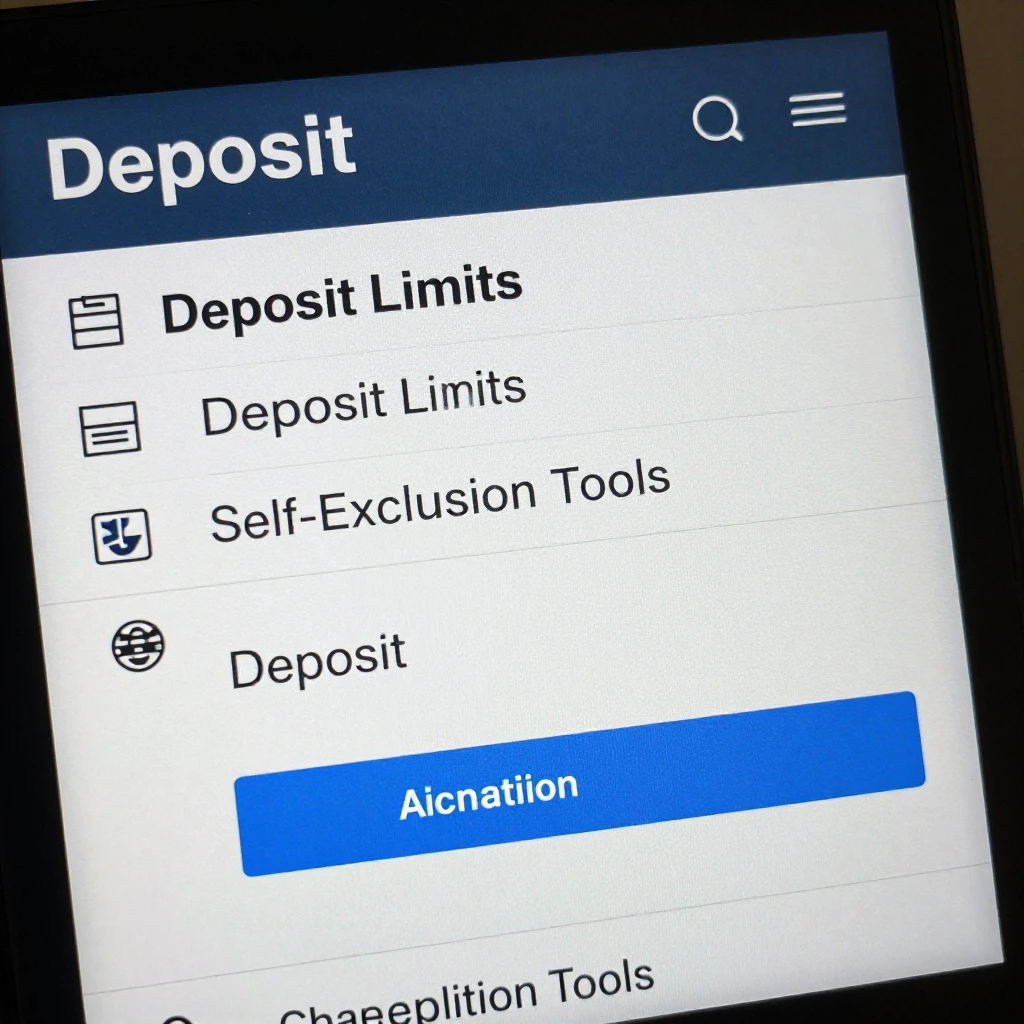
A genuinely safe operator treats responsible gambling as part of the product, not an afterthought bolted on for show. At minimum, I expect deposit limits, self-exclusion through GAMSTOP, reality checks that pop up during long sessions, and cooling-off periods you can switch on without jumping through hoops. Links to support organisations like GamCare or the National Gambling Helpline should be visible — not buried three menus deep.
More operators are also funding harm-reduction initiatives directly these days, and I'd argue that's a genuinely positive shift rather than just a PR move. When a casino's putting actual money behind player welfare, it tends to say something about the broader culture underneath.
Spotting Operators That Genuinely Care About Player Welfare
The gap between a site that cares and one that's just box-ticking usually shows up in the small stuff. Does RG messaging appear naturally during gameplay, or only once you go hunting for it? Is support actually trained to handle problem-gambling concerns with any sensitivity, or do they just paste a link to a generic FAQ? Partnerships with recognised charities — good sign. A self-exclusion button hidden three clicks into account settings — not so much.
Secure Payment Options: From Cards to Crypto
Payment methods have diversified a lot by 2026. Debit cards and e-wallets like PayPal and Skrill are still popular — familiarity, buyer protections, the usual reasons. But cryptocurrency has carved out a real niche, especially among players chasing faster withdrawals and lower fees. Whatever the method, I check how quickly and reliably withdrawals actually get processed. Speed on paper means nothing if real player reviews tell a different story.
The Rise of Tether Casinos and Crypto Payments
USDT-based payments have become pretty common, and it's not hard to see why — they combine crypto speed with the price stability of a dollar-pegged token, cutting out the volatility risk you'd get depositing in Bitcoin or Ethereum. Lower fees, less chargeback fraud. That's an appealing combination for operators and players alike. Still, UK players should prioritise sites that hold proper regulatory licensing even when crypto's on the table — a flashy payment method doesn't substitute for a verifiable license. It never has.
For readers who want a deeper, independent look at how tether casinos actually operate — and what safeguards to check before depositing crypto — this resource breaks down the practical side in more detail than I can cover here.
Red Flags That Signal an Untrustworthy Casino
Over time, I keep seeing the same warning signs crop up again and again:
- No visible license number, or one that doesn't match the UKGC register
- Slow, delayed, or outright refused withdrawals with vague excuses
- Aggressive bonus marketing with unrealistic wagering terms
- No self-exclusion or deposit limit tools anywhere on the site
- Customer support that's unreachable or takes days to respond
Any one of these alone might not be fatal. But two or three together? That's your cue to walk away.
FAQ — Quick Answers for UK Players
Is it legal to play at offshore casinos? It's not strictly illegal for UK players, but you lose the legal protections that come with UKGC licensing — including dispute resolution and segregated funds.
Are crypto casinos safe for UK players? They can be, provided the operator still holds proper regulation alongside the crypto payment options. Crypto itself doesn't guarantee anything.
What should I do if a casino won't pay out? Document everything, file a complaint through the operator's dispute process, and if that goes nowhere, escalate to the UKGC or an approved ADR provider.
At the end of the day, due diligence — checking licenses, confirming responsible gambling tools, understanding payment transparency — remains the single best protection UK players have in 2026. A few minutes of research before you deposit can save you a lot of frustration later. I'd take that trade every time.